.png)
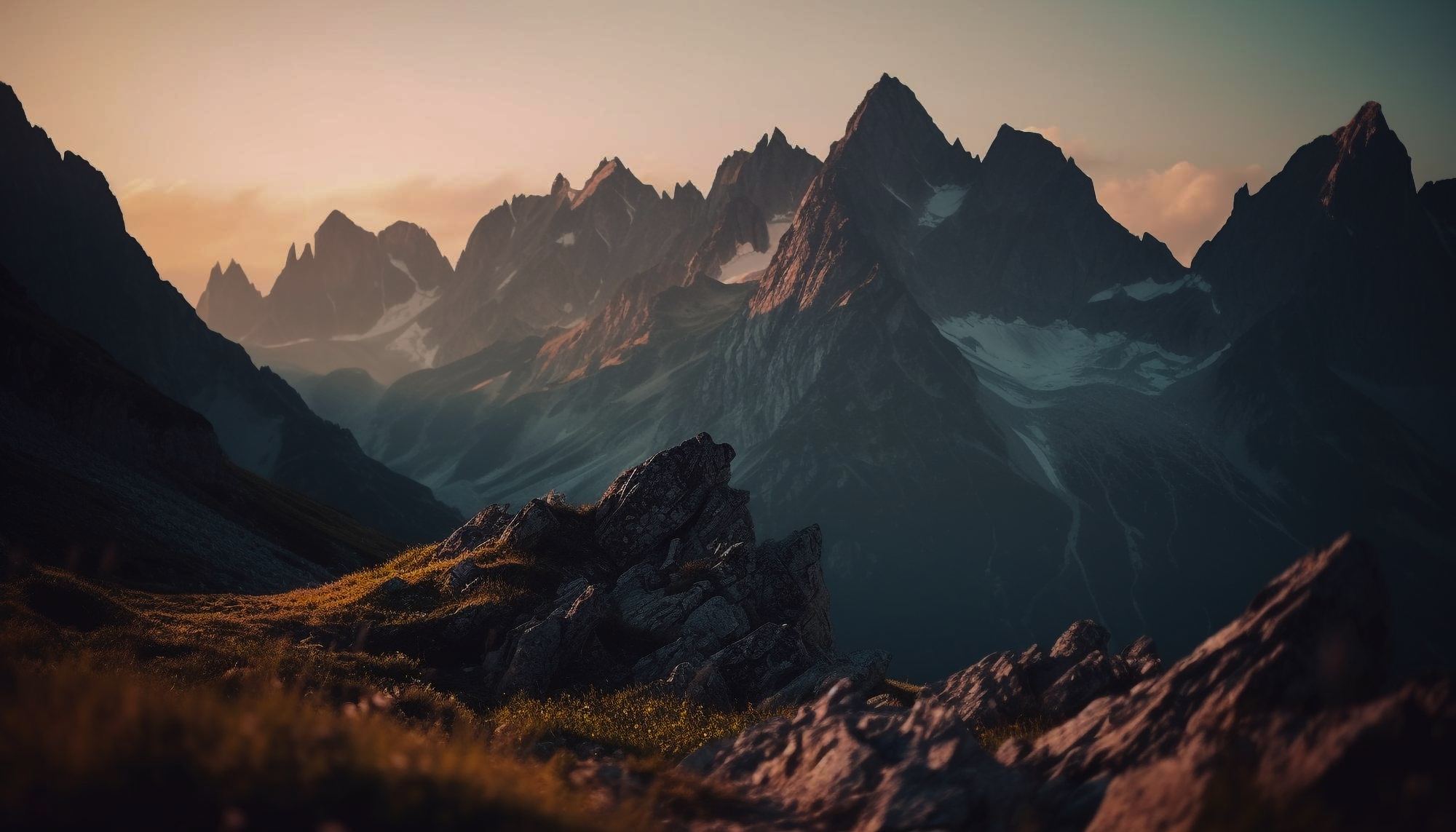
Following the successful Mont Blanc summit, Project Elevate Her moves to Nepal and into the high Himalayas. Manaslu marks the next phase of the campaign - shifting the conversation from diagnosis to a critical question: once a woman receives a diagnosis, can she actually access the care and treatment she needs?
Track progress on Manaslu in real time throughout the expedition.
Live tracking will become active once the climb begins on Sept 7th.
As Project Elevate Her journeys to Manaslu, we are inviting women, families, clinicians, and advocates from around the world to complete one simple sentence: "Every woman and girl with a bleeding disorder deserves..." Each message will travel to the summit of Manaslu as a collective reminder that every woman and girl deserves timely diagnosis, equitable access to care, and the opportunity to live without unnecessary barriers.
These stories are the reason behind Project Elevate Her. Each reflects a different experience navigating diagnosis, treatment, access to care, advocacy, and life with a bleeding disorder.
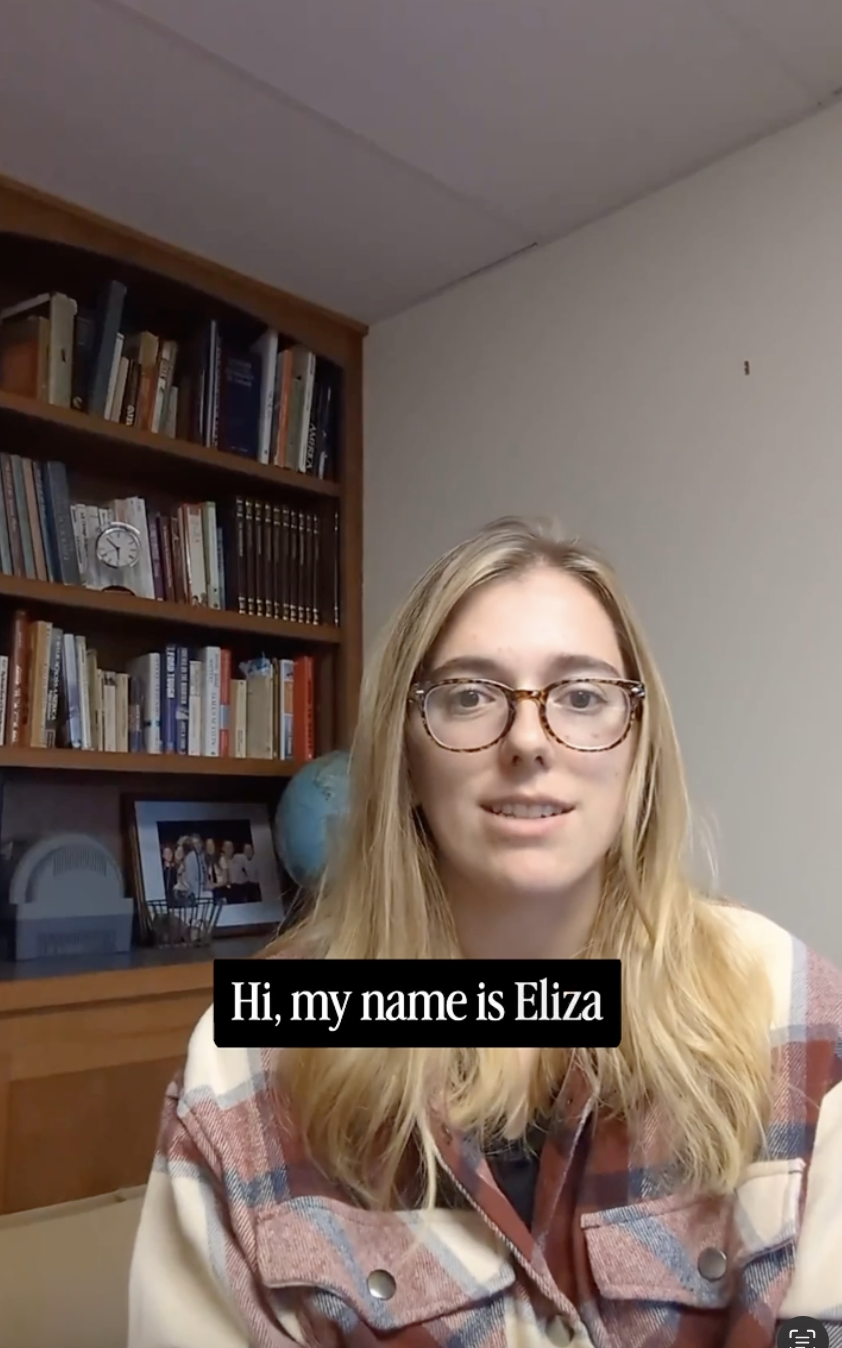
“I was diagnosed with moderate von Willebrand Disease (VWD) when I was nine years old. Before my diagnosis, I had a long history of unexplained bleeding. I had frequent nosebleeds, countless bruises, and severe bleeding episodes."
WATCH HER FULL STORY"From a young age, my life was different. Every 5 to 6 months, I would go through something extremely difficult - heavy blood vomiting and severe nose bleeding. These were not just small health issues; they would completely shake me, physically and emotionally."
"Because of limited medical facilities, I didn't always get the proper treatment. Instead of specific factor treatment, I had to go through 12 to 14 bags of FFPs and red blood cells just to stop the bleeding."
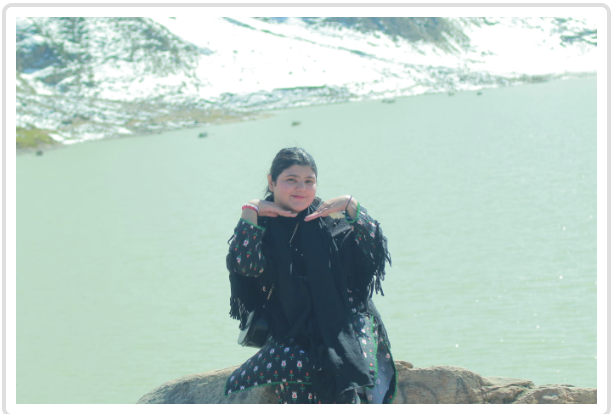
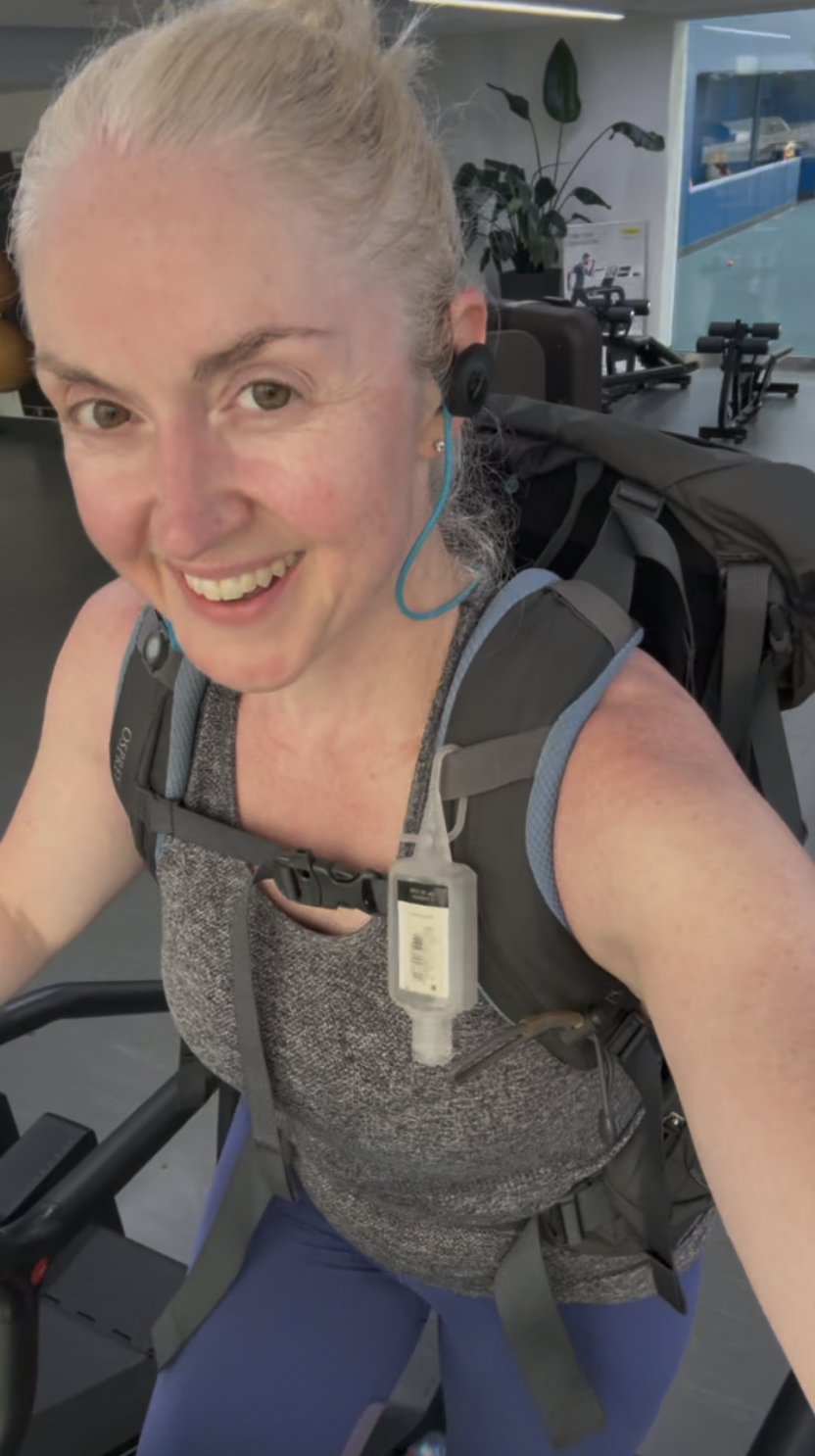
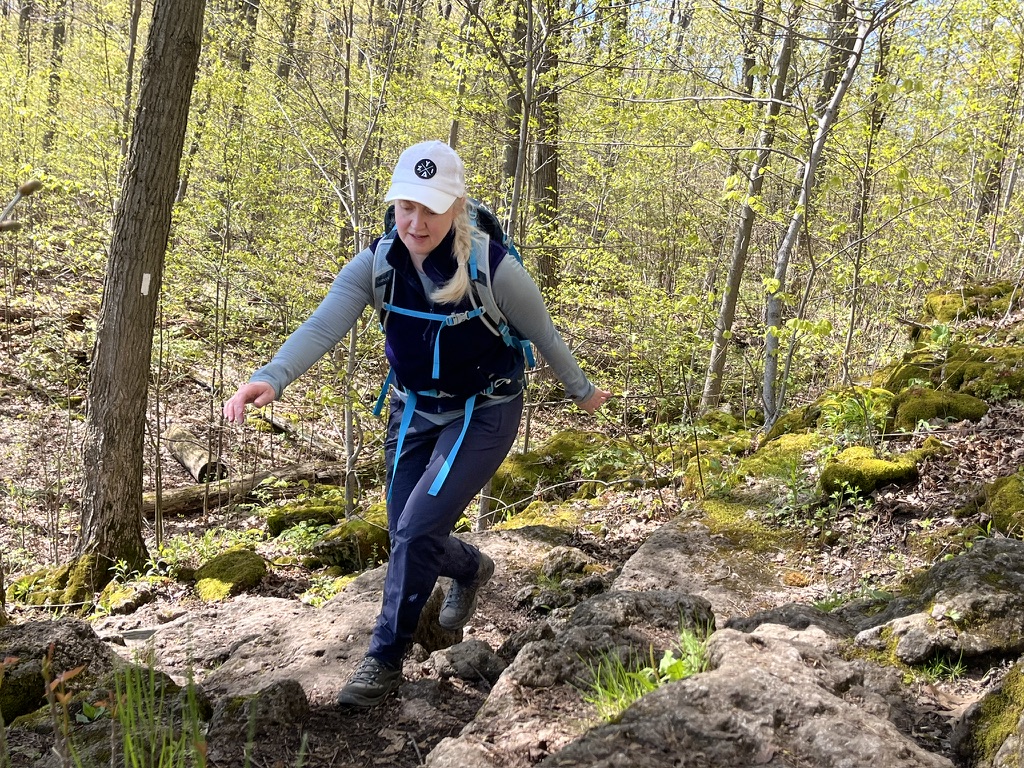
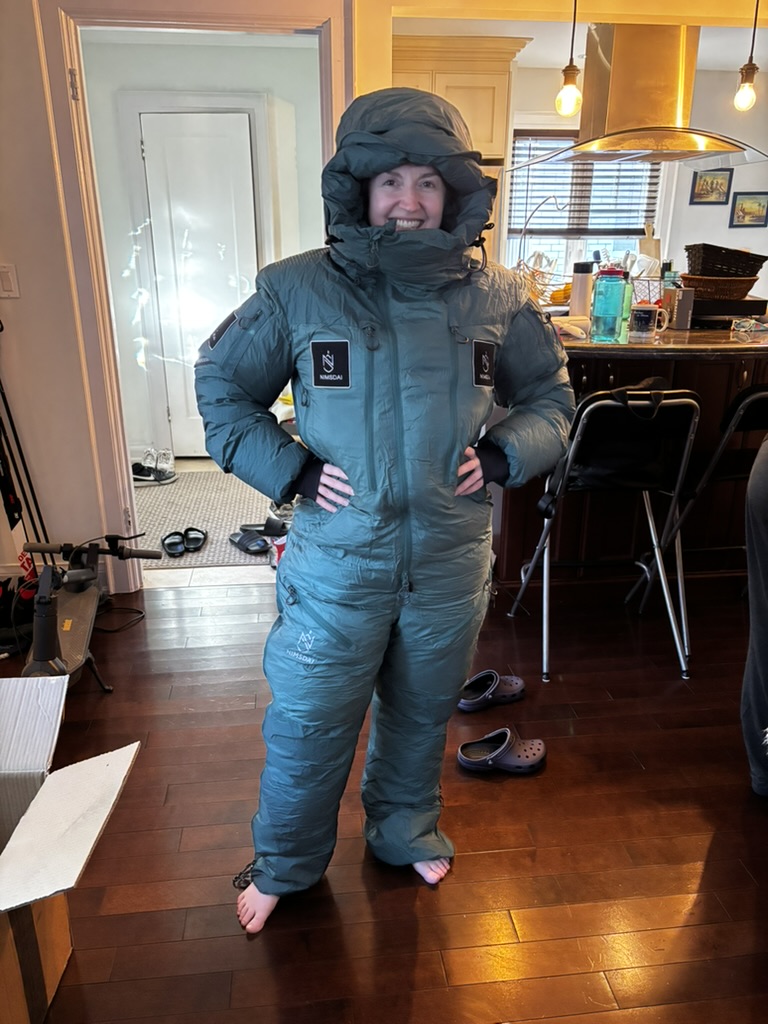
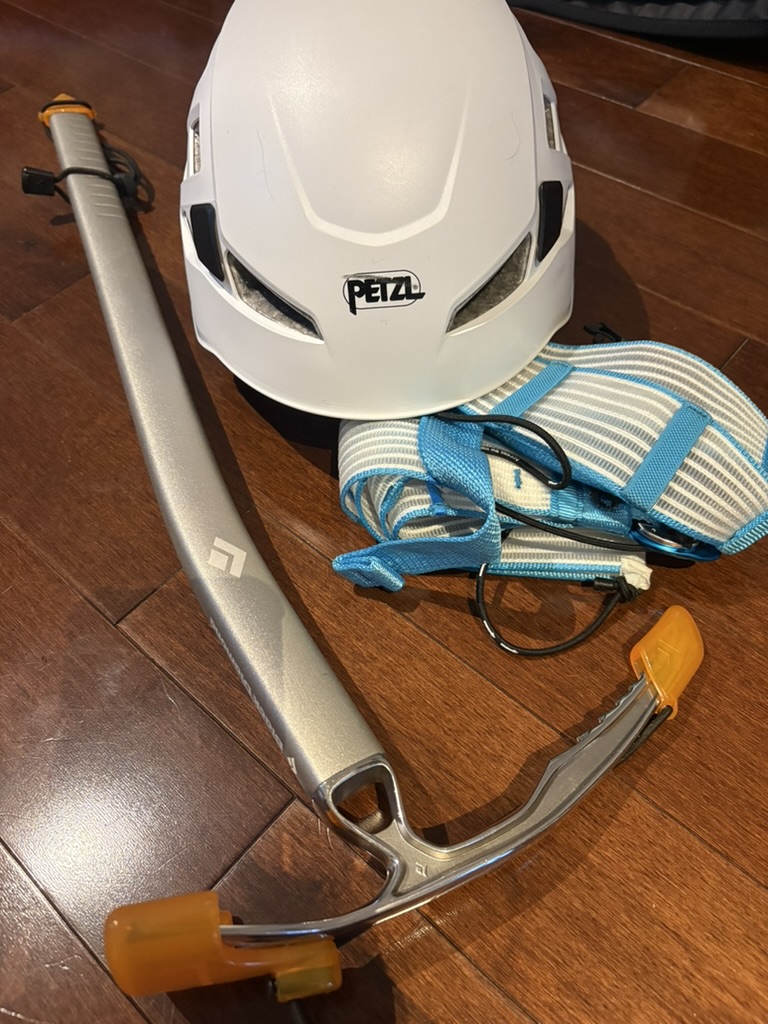
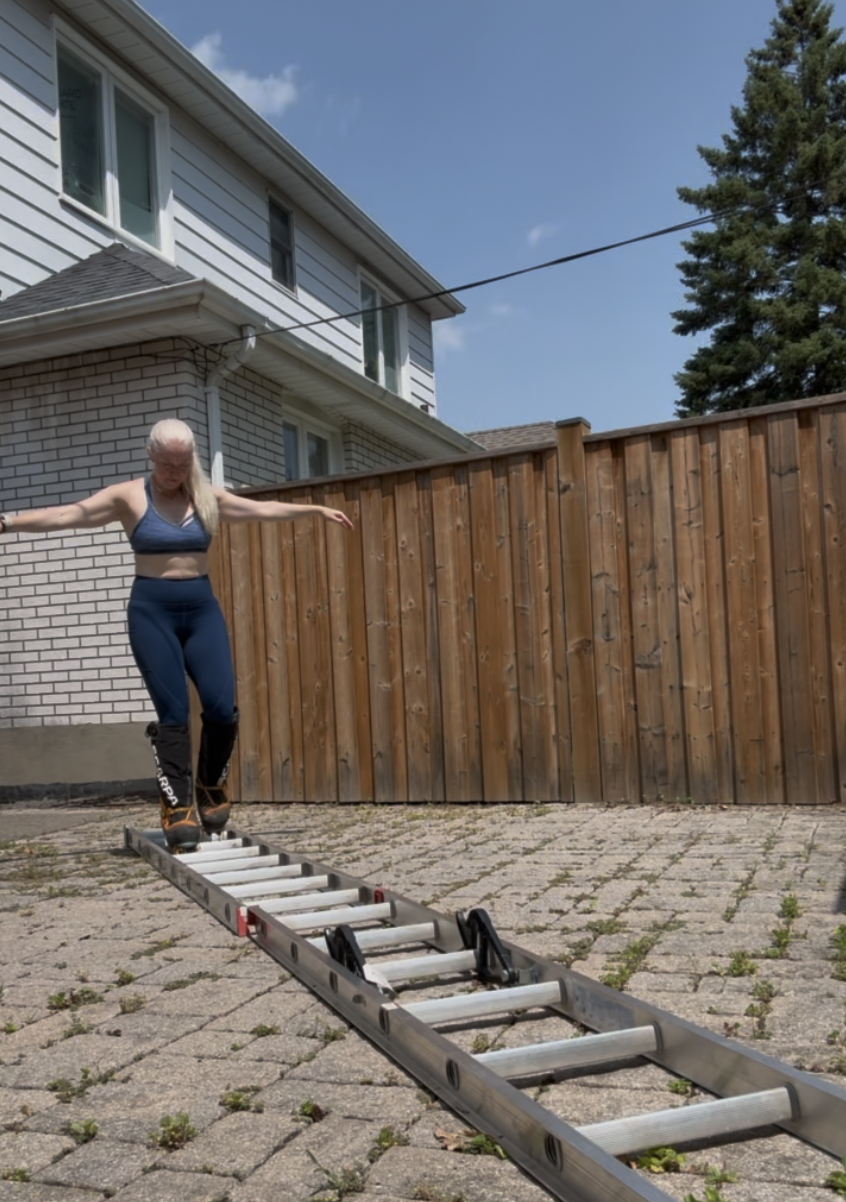
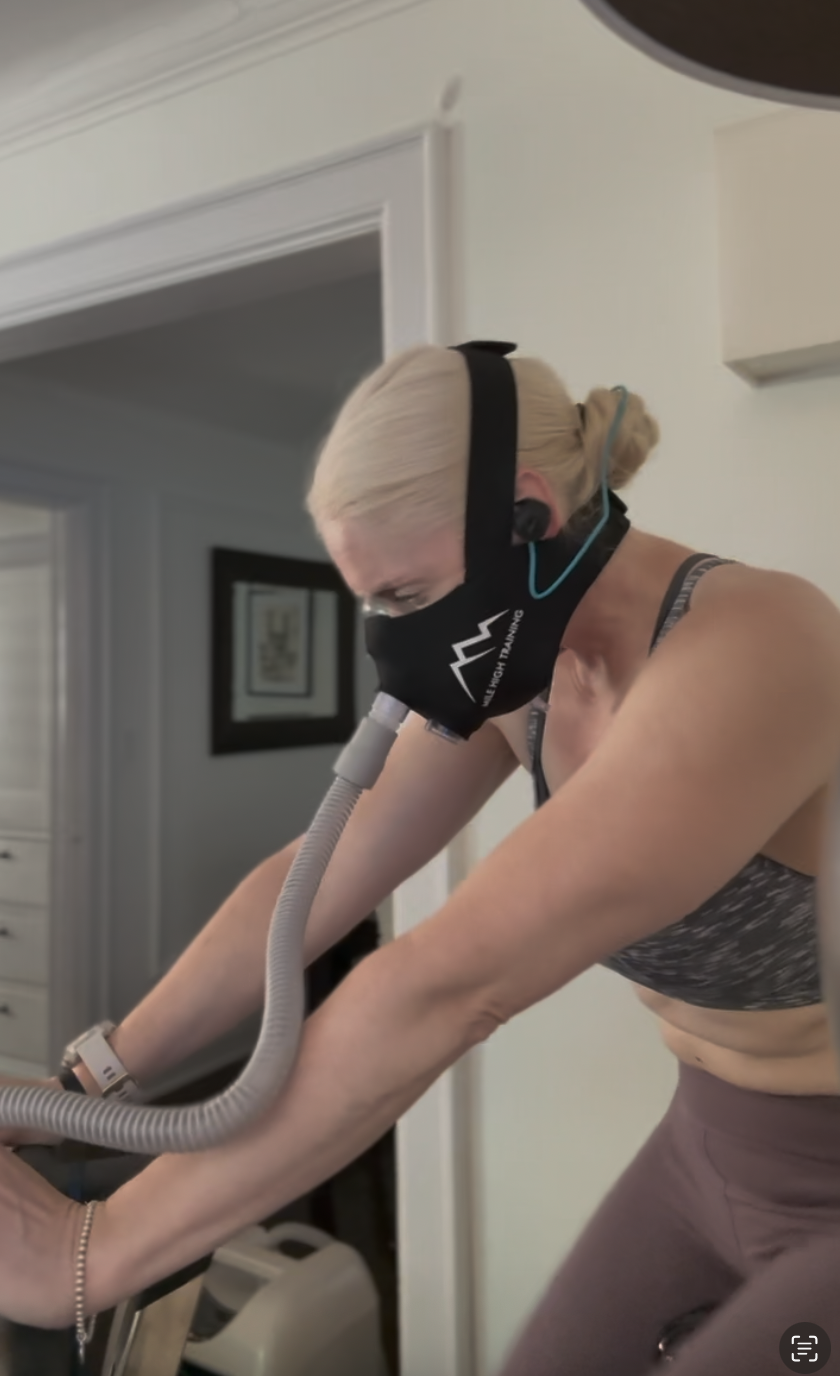
Training, preparation, and the journey toward Project Elevate Her’s first 8,000-metre expedition.
The impact of Manaslu will extend far beyond the mountain. Through storytelling, advocacy, research, and local engagement, this expedition will explore what equitable access to care means for women living with bleeding disorders — in Nepal and around the world.